Homelessness is a complex public health and social justice issue that extends far beyond the lack of shelter and profoundly affects individuals’ physical health, mental wellbeing, safety, and social participation. This chapter examines homelessness within the framework of community health principles and occupational justice, emphasizing that participation in meaningful daily activities -including self-care, education, work, and leisure- is a fundamental human right. The chapter outlines definitions and classifications of homelessness, explores its national and international context, and details its wideranging impacts on health. Drawing on global and local best-practice models, including Housing First, street medicine, and services developed by municipalities and civil society in Türkiye, the chapter highlights how sustainable, rights-based, and interdisciplinary approaches are essential in addressing homelessness. From an occupational therapy perspective, homelessness creates profound occupational deprivation, imbalance, alienation, and marginalization. Occupational therapists play a key role in restoring participation by supporting basic needs, strengthening daily living skills, enhancing mental well-being, promoting community belonging, and advocating for accessible environments and housing. The chapter offers multilevel (individual, community, national) intervention strategies grounded in occupational therapy principles, and concludes with sustainable policy recommendations aimed at improving quality of life, fostering social inclusion, and advancing occupational justice for individuals experiencing homelessness.
Homelessness and Sustainable Health: A Holistic Approach to Community Health
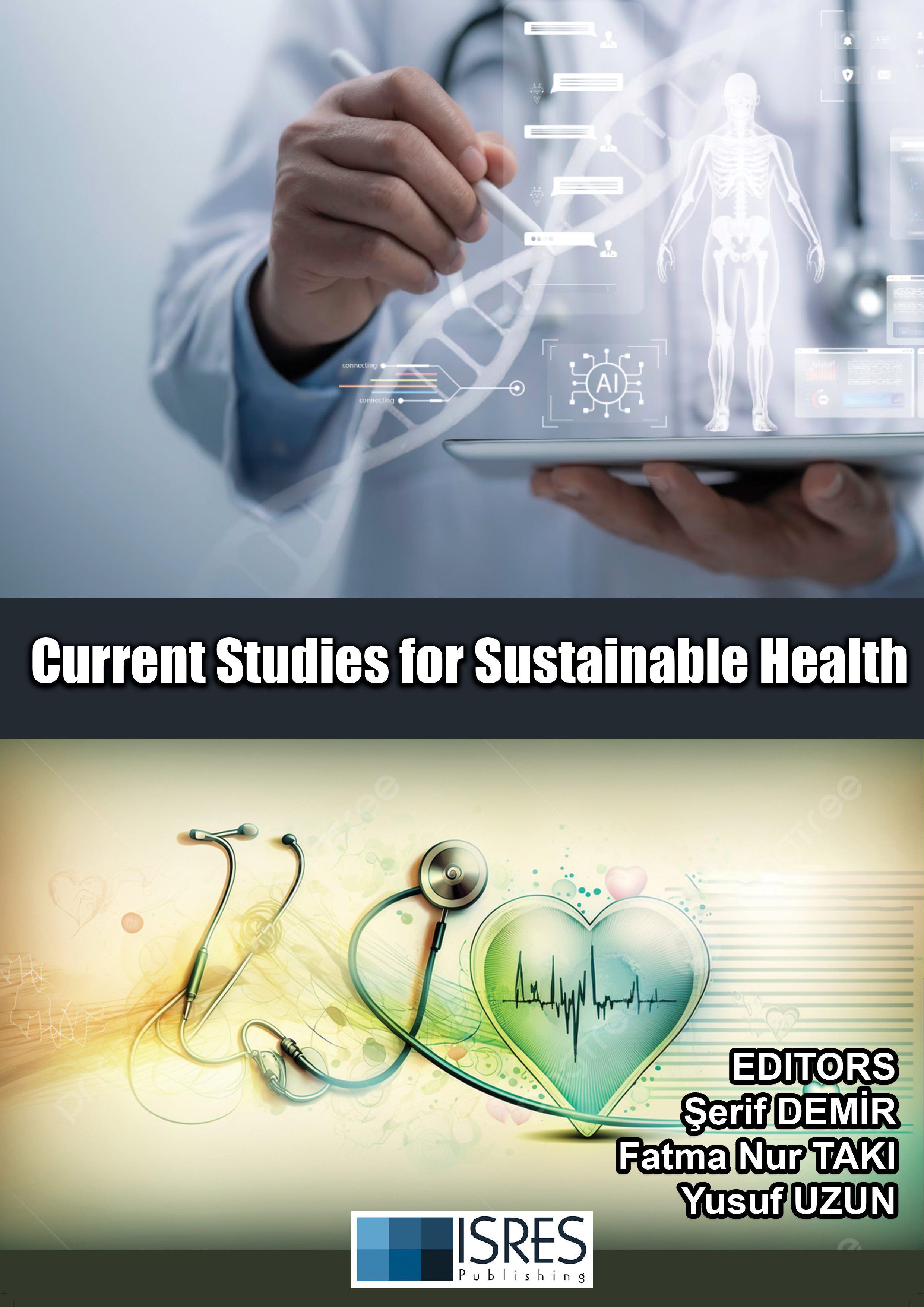
Current Studies for Sustainable Health
Editors: Şerif DEMİR, Fatma Nur TAKI, Yusuf UZUN
507
Homelessness and Sustainable Health: A Holistic Approach to Community Health
Chapter Authors: Sümeyye SARIŞAHİN
Pages: 34-50
Other Chapters
ustainable Microbiota Targeted Interventions in Psychiatric Disorders
Çağatay Han TÜRKSEVEN
More Info Pages: 1-22
The Role of Physiotherapists in Advancing Sustainable Health within the Framework of the Sustainable Development Goals
Tuğba ARSLAN, Serdar ARSLAN
More Info Pages: 23-33
Homelessness and Sustainable Health: A Holistic Approach to Community Health
Sümeyye SARIŞAHİN
More Info Pages: 34-50
Sustainable Health for Parents of Children with Special Needs
Sümeyye SARIŞAHİN, Selma ERCAN DOĞU
More Info Pages: 51-67
Sustainability In The Healthcare Sector And Health Education
Hande KÜSEN SEL
More Info Pages: 68-75
Metaheuristic Approaches for Sustainable Health: A Case Study on Red Fox Optimization
Fatma Nur UZUN, Ömer Kaan BAYKAN
More Info Pages: 76-122
Skin Cancer: Pathophysiology and Epidemiology
Hanife Yüksel ÇAKMAK, Hasan EGE
More Info Pages: 123-138
Circadian Rhythms and Chronotherapy: Integrating Molecular and Physiological Mechanisms into Physiotherapy and Rehabilitation Sciences
Fatma Nur TAKI, Kerim Çağrı AKDAĞ
More Info Pages: 139-150
In The Beginning Lies The Risk: Fetal Toxic Exposure And The Origins Of Adult Disease
sra KIRSEVER, Gülnihal ŞİŞMAN, Hümeyra ŞİŞMAN
More Info Pages: 151-182
Traditional and Complementary Medicine Practices: Integrative Approaches for Sustainable Health
Nalan SOYDAŞ ENGİN
More Info Pages: 183-198
Traditional and Complementary Medicine Practices: Integrative Approaches for Sustainable Health
Zeynep Bilgenur MEMİŞOGLU ŞENER
More Info Pages: 199-207
The Importance of Pilates in Pregnant Women and Principles of Practice
Yeşim ANIK ÇANKAYA, Musa ÇANKAYA
More Info Pages: 208-230
Quantum Nutrition And Health Sustainability
Tuba TURKUT, Fatma Nur TAKI
More Info Pages: 231-255
Fertility Preservation Approaches for Sustainable Reproductive Health
Müşerref Banu YILMAZ
More Info Pages: 256-263
Budapest/Hungary Conferences - August 28-31, 2025
We are pleased to invite you to ISRES conferences, which will be held at Obuda University/Budapest/Hungary on August, 28-31, 2025. The following conferences will be held in Budapest/Hungary:...
15.01.2025
Trabzon/Türkiye Conferences - May 01-04, 2025
ISRES Spring Conferences - Trabzon/Turkiye SOCIAL SCIENCES – May 1-4, 2025, Trabzon, Türkiye * 5th International Conference on Social Science Studies - IConSoS2025 ...
11.12.2024
Peja/Kosovo Conferences - July 10-13, 2025
We are pleased to invite you to our conferences, which will be held at University of Peja Haxhi Zeka on July, 10-13, 2025. The following conferences will be held in Peja/Kosovo: - 7th Internat...
28.11.2024


_Sayfa_001_23-12-2025.jpg)








 (1)_16-12-2024.jpg)

_29-12-2024.jpg)
 (1)_01-01-2025_10-03-2025.jpg)

_01-01-2025.jpg)