Play helps children feel good about themselves. Play is an outlet for a child’s happiness and excess energy in life (Nutku, 2006). Play is one of the fundamental building blocks of personality, encompassing various values such as sociability, talent, and intelligence. Play is a form of learning that involves the release of excess energy, relaxation, and enjoyment. This study examines how war toys affect children’s mental world and psychologically prepare them for war. The ideological function of toys in Nazi Germany is the clearest example of this process. The same ideological reflections are evaluated through historical soldier-figured toys exhibited at the Gaziantep Toy and Toy Museum today. War toys intertwine the concepts of heroism and violence in children’s worlds. The example of Nazi Germany is the most striking example of how toys can become a propaganda tool. During this period, children were raised with the ideal of “being a good soldier,” and playgrounds became mini-war training camps. The war-themed toys at the Gaziantep Play and Toy Museum make visible these ideological manipulations of the past and enable society to confront this past. Consequently, ethical responsibility is paramount in toy production. Toys presented to children should teach love, not violence, freedom, not authority, through peaceful means instead of war. Play is not just entertainment; it is a cultural language through which children begin to think, feel, share, and ultimately learn who they will become.
The Effect of War Toys and Military Figure Toys on Children (An Evaluation on the Example of Nazi Germany and the Gaziantep Toy Museum)
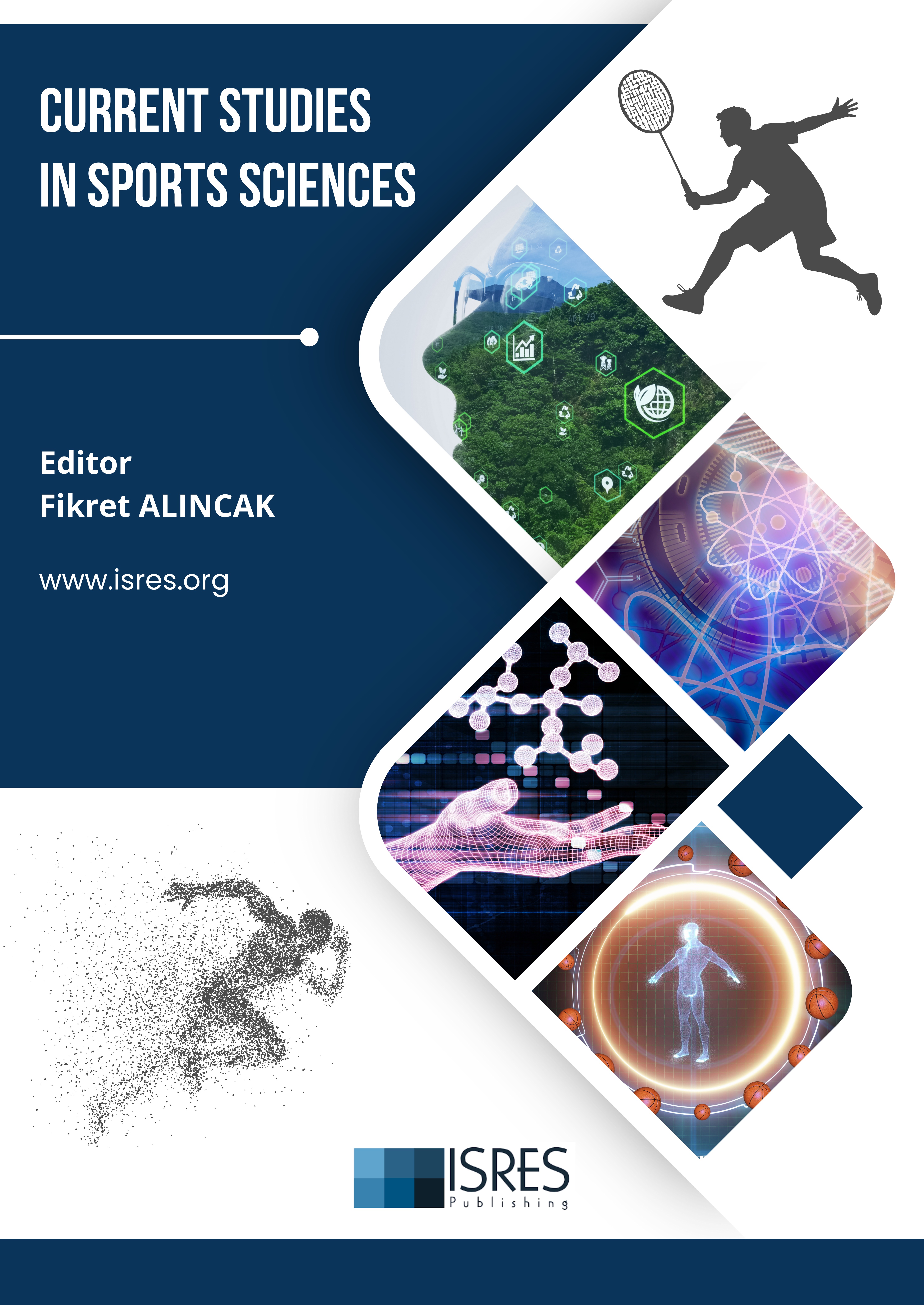
Current Studies in Sports Sciences
Editors: Fikret ALINCAK
259
The Effect of War Toys and Military Figure Toys on Children (An Evaluation on the Example of Nazi Germany and the Gaziantep Toy Museum)
Chapter Authors: Hüseyin KARABAŞ, Leyla KALKAN, Hatice ALINCAK
Pages: 87-96
Other Chapters
Examination of Traditional Sports Games in The Context of Ethnosport Events
Fikret ALINCAK, Hilva ÇİLKIZ
More Info Pages: 1-7
The Place and Importance of Playgrounds in Terms of Children's Development
Berrin TOKLU, Büşra ATLI, Okan TURAK
More Info Pages: 8-17
The Concept of Disability and Disability in the Historical Process
Mehmet YIKILMAZ, Hatice ALINCAK, Ramazan BALTACI, Hüseyin KARABAŞ
More Info Pages: 18-35
Beyond The Label: Autopsy and Case Report of Specific Organ Damage Induced by Sports Supplements
Cemre Didem EYIPINAR, Halil ÇOLAK,
More Info Pages: 36-59
Respiratory System and Stretching
Mustafa Burak CAĞDANLIOĞLU
More Info Pages: 60-68
Data-Driven Approach in Football Training
Mustafa Burak CAĞDANLIOĞLU
More Info Pages: 69-74
The Concept of Game and Game in the Digitalization Process
Ferhat ÖZKOÇ, Muhsin YAZICIOĞLU, Hasan DEMİR
More Info Pages: 75-86
The Effect of War Toys and Military Figure Toys on Children (An Evaluation on the Example of Nazi Germany and the Gaziantep Toy Museum)
Hüseyin KARABAŞ, Leyla KALKAN, Hatice ALINCAK
More Info Pages: 87-96
The Importance of Physical Education and Sports in the Development of Society
Onur GÜLTEKİN, Emrecan AZILI, Yusuf ŞAHİN
More Info Pages: 97-106
The Importance of Physical Education and Sports Concepts in Elementary Schools and an Examination of Their Development
Songül GÜLFİDAN, Nisanur YARICILAR, Fikret ALINCAK
More Info Pages: 107-120
Smoking Addiction and Exercise
Adem BİLGİÇ
More Info Pages: 121-132
Respiratory Assessment in Performance Sports
Mehmet VURAL
More Info Pages: 133-140
Overtraining and Burnout in Individual Sports
Mete Berk DEMİRYOL
More Info Pages: 141-149
Budapest/Hungary Conferences - August 28-31, 2025
We are pleased to invite you to ISRES conferences, which will be held at Obuda University/Budapest/Hungary on August, 28-31, 2025. The following conferences will be held in Budapest/Hungary:...
15.01.2025
Trabzon/Türkiye Conferences - May 01-04, 2025
ISRES Spring Conferences - Trabzon/Turkiye SOCIAL SCIENCES – May 1-4, 2025, Trabzon, Türkiye * 5th International Conference on Social Science Studies - IConSoS2025 ...
11.12.2024
Peja/Kosovo Conferences - July 10-13, 2025
We are pleased to invite you to our conferences, which will be held at University of Peja Haxhi Zeka on July, 10-13, 2025. The following conferences will be held in Peja/Kosovo: - 7th Internat...
28.11.2024


_Sayfa_001_23-12-2025.jpg)







 (1)_16-12-2024.jpg)

_29-12-2024.jpg)
 (1)_01-01-2025_10-03-2025.jpg)
_01-01-2025.jpg)